
Five Simple Things I’ve Done to Drastically Improve my Quilt Piecing Accuracy
I’ve been quilting actively for over 10 years. During that time, I “figured out” a few things to improve my quilt piecing accuracy. Today I’m sharing five of my best “learned the hard way” quilting tips with you!
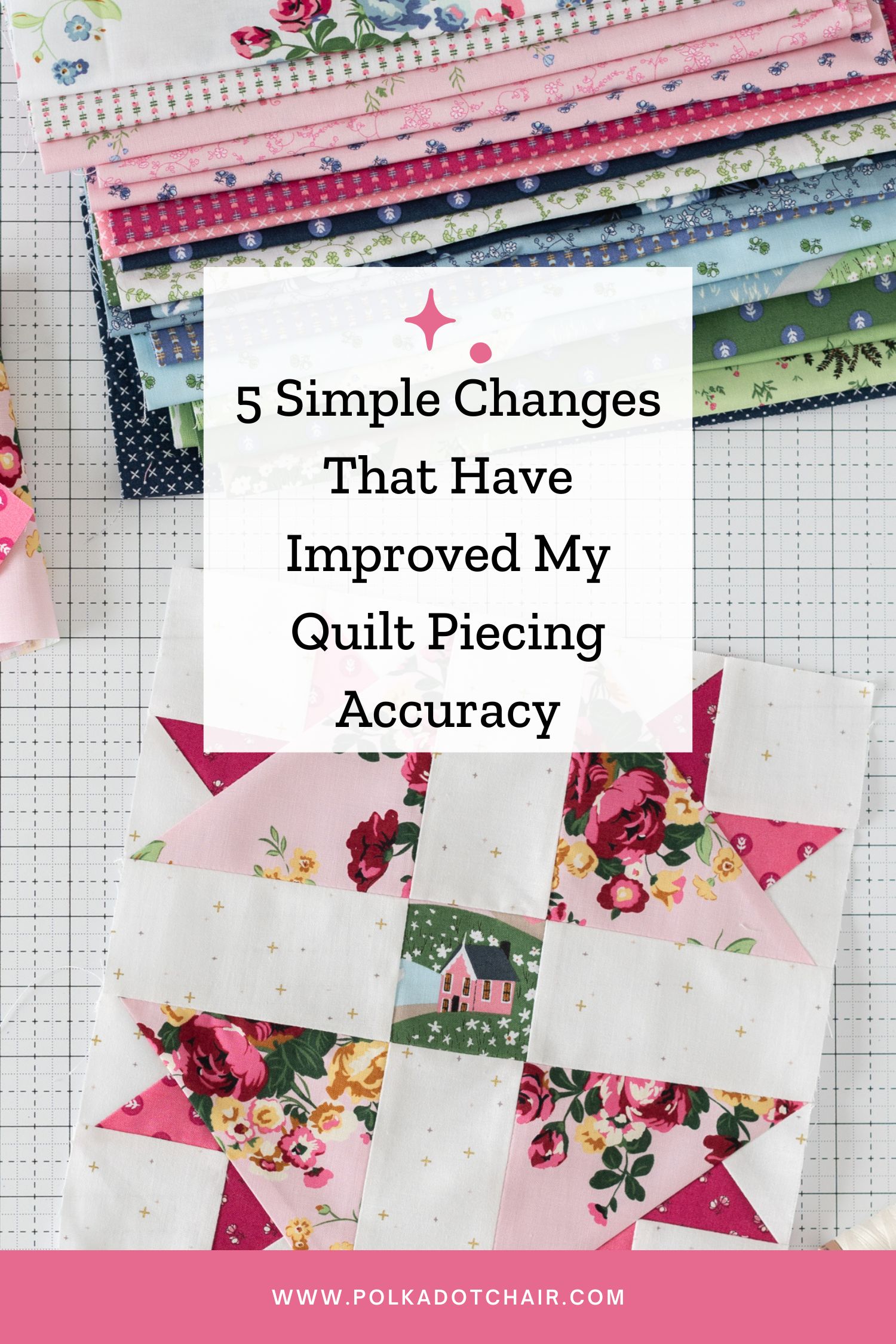
Before we start with the tips, I want to reiterate something. For years, I quilted, but I occasionally had mismatched corners, wonky binding, and bulky seams. I still LOVE all of those quilts! When you quilt, it doesn’t have to be perfect to be beautiful!
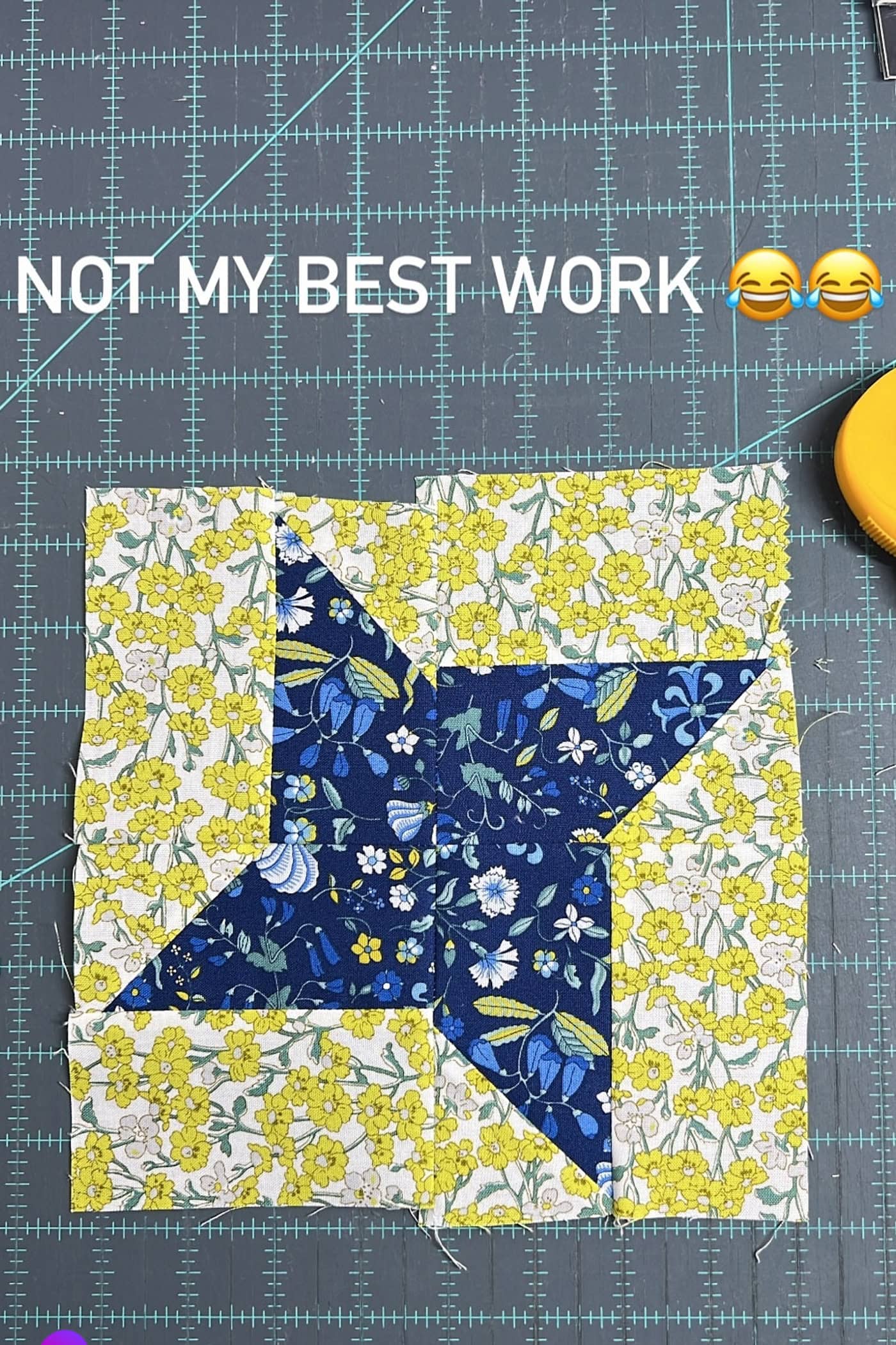
However, if you notice that you are feeling more frustration than joy when you quilt, there are a few things you can do to help reduce that frustration. Here are some of my favorite quilting tips that I’ve picked up over the years!
One: Measure and Cut with a Ruler; Not the Mat
I spent my first 10 years as a quilter using the measurements on the cutting mat to cut my fabric pieces.
Over time, I noticed that the lines on my cutting mat were blurring, and I wondered if my cuts were still accurate. So I tried switching to cutting with the measurements on the ruler.
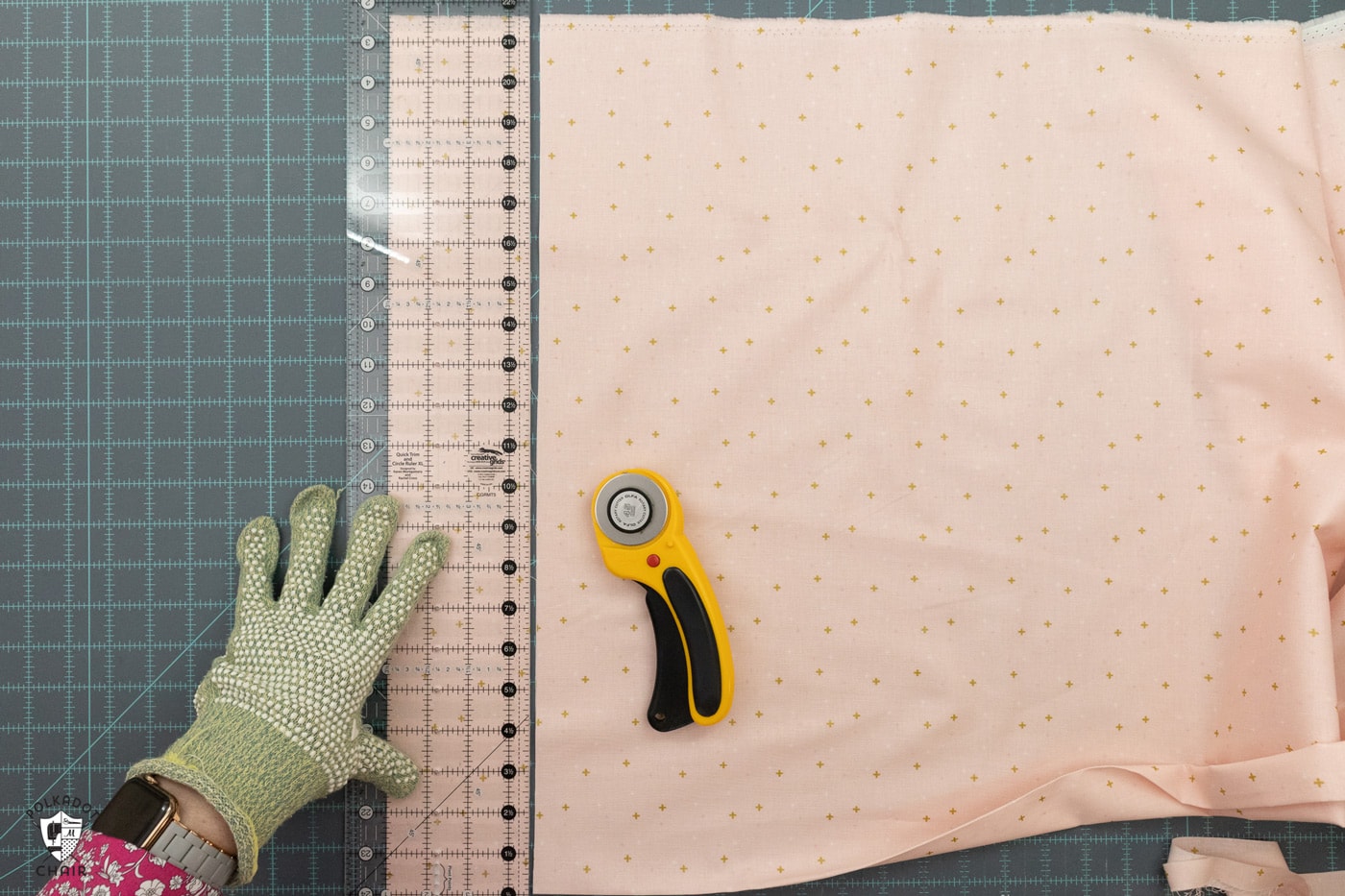
I can not believe what a big difference it has made in my cutting accuracy! (Remember, cutting accuracy leads right into piecing accuracy.) Since this discovery, I’ve purchased a wider ruler (6 1/2″ wide) so that I only occasionally need to use the lines on the cutting mat as guides when I cut.
If you want to see a breakdown of how I cut fabric for my sewing projects, check out our step-by-step article on rotary cutting.
Two: Starch My Fabric Before Cutting
One of the things that makes piecing difficult is that since fabric is woven, it can stretch and distort as you work with it. Adding starch to fabric helps stiffen the fibers, reducing distortion when working with the fabric.

I use Faultless Premium Spray Starch. I spray my fabric before cutting it, letting the starch “soak in” a bit. Then I press the fabric (with steam) and continue constructing my quilt as usual.
Three: Use Seam Tape on My Machine
Using seam tape on your sewing machine is a simple way to improve quilt piecing accuracy. The tape acts as a visual guide for maintaining a consistent 1/4″ seam allowance without relying solely on the edge of your presser foot.
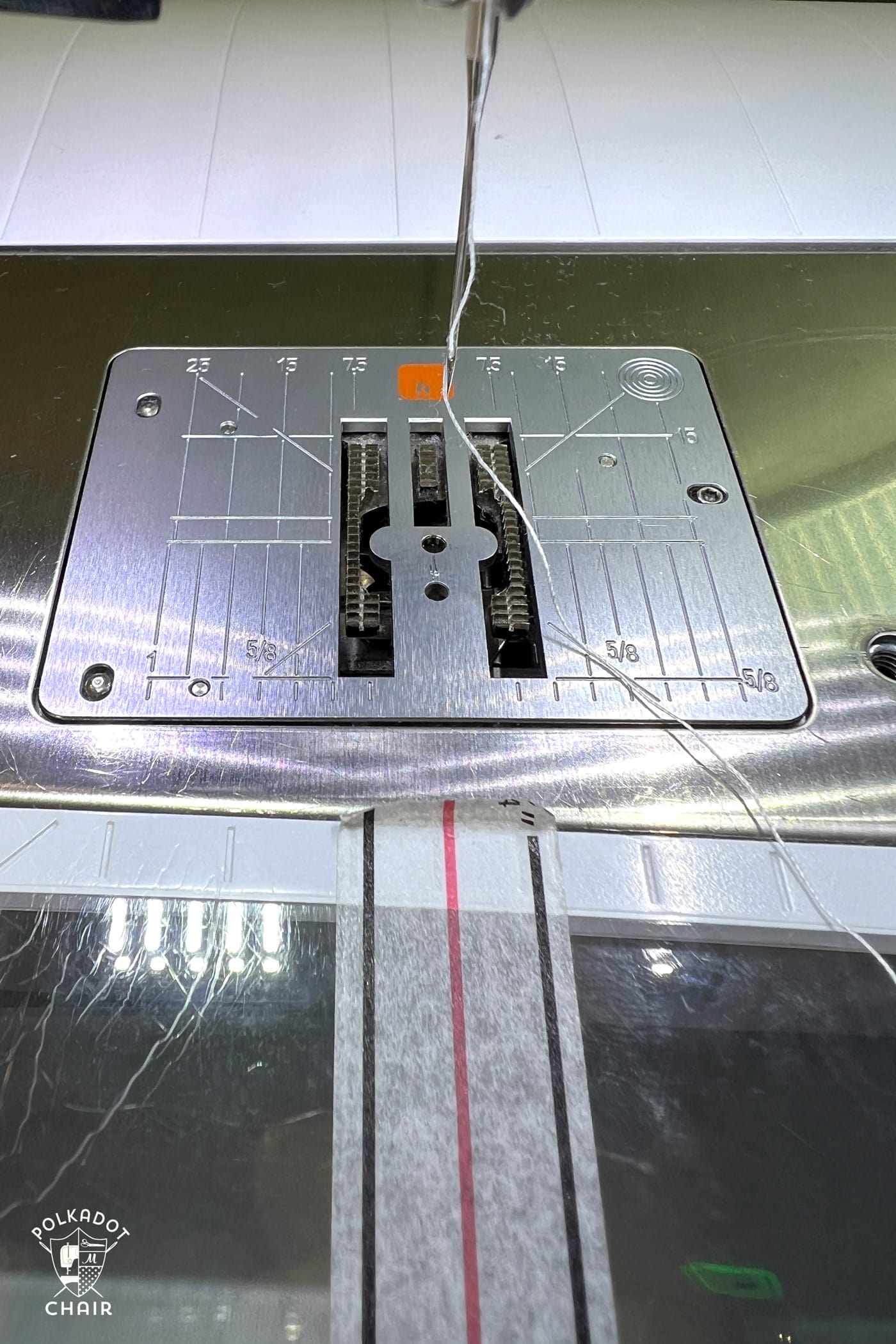
By aligning fabric edges with the tape instead of watching the needle, you can keep seams straighter and more precise. This helps reduce trimming and correcting later, ensuring that blocks line up correctly and your quilt top lies flat.
My favorite seam tape is by Alison of Cluck Cluck Sew (if you purchase it, make sure you buy it from a quilt shop – as there have been knock-offs that have shown up on Amazon that do not have an accurate 1/4″ seam allowance).
Four: Stitch the Entire Seam; Correctly
Recently, I was noticing that my quilt blocks were all “off”. I couldn’t figure out what was going on until I realized that I was not stitching a “straight seam”.
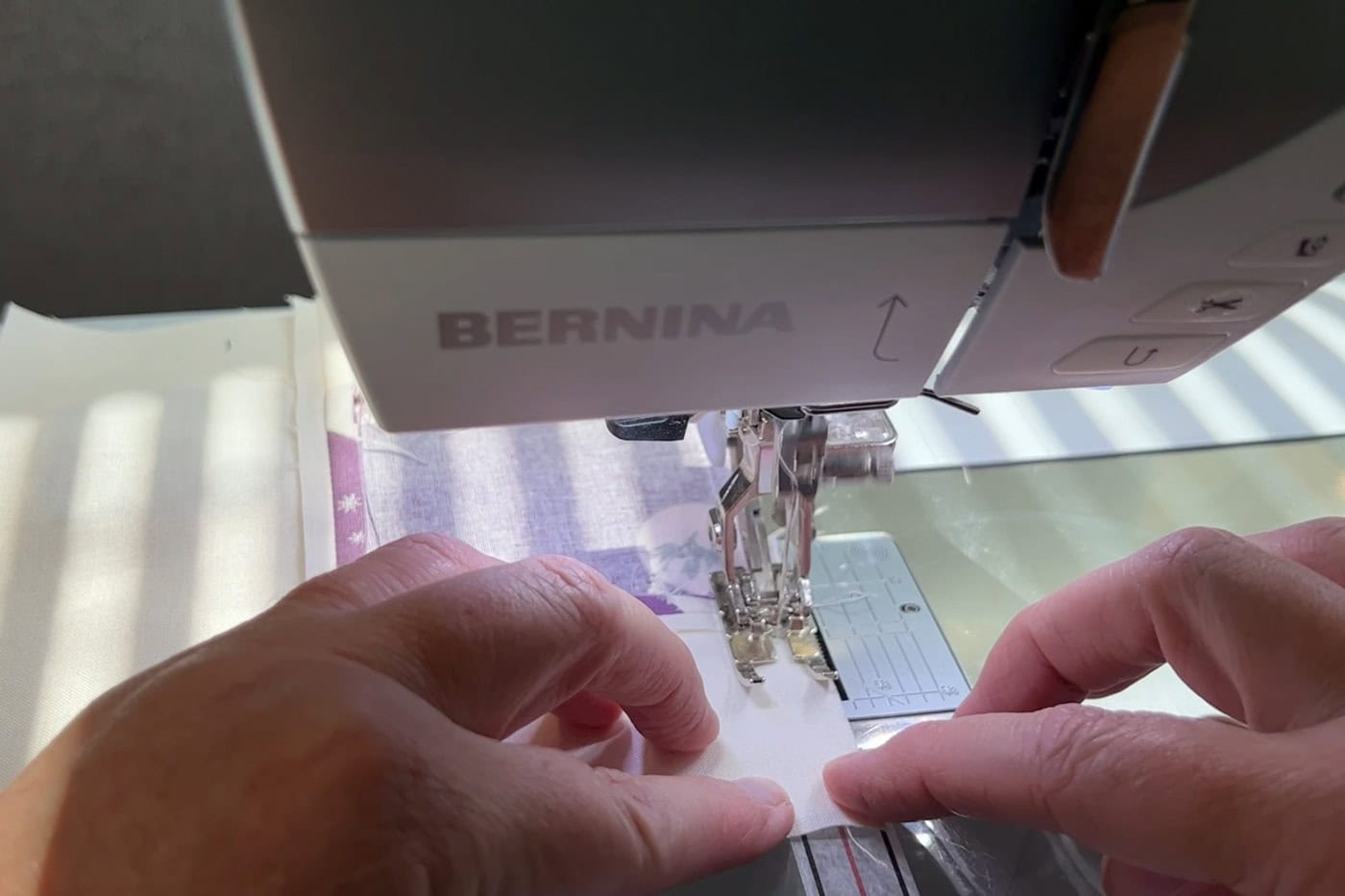
This is hard to demonstrate without a video, but you can see it a bit with these three images.
I would begin my seam at the correct 1/4″ mark on my sewing machine, then, as I stitched the seam, I would move my fabric slightly when I neared the end of the seam to prepare for removing it from under the sewing machine foot.
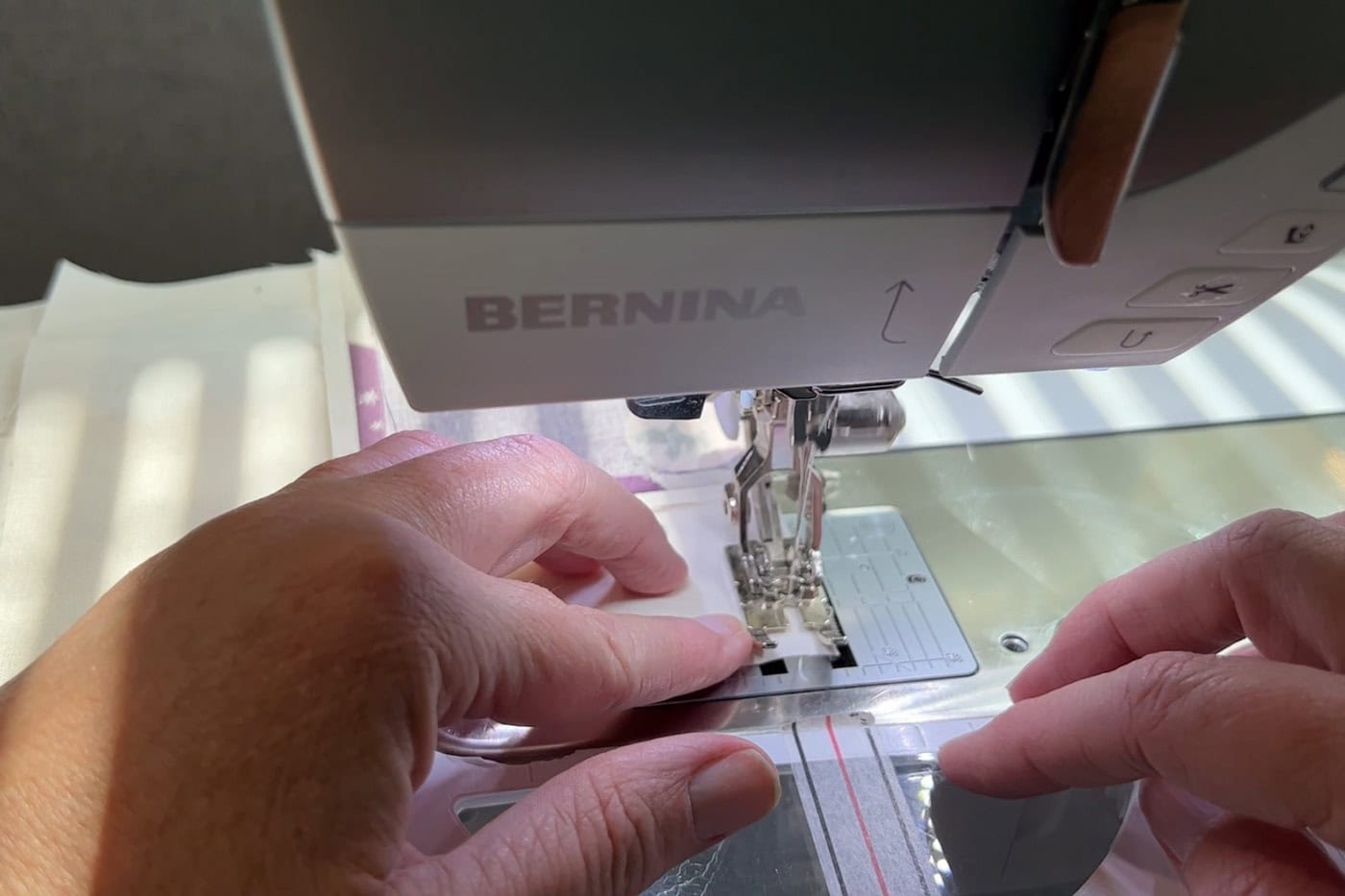
This was leading to several seams that were 1/4″ to start, but then ended too small.
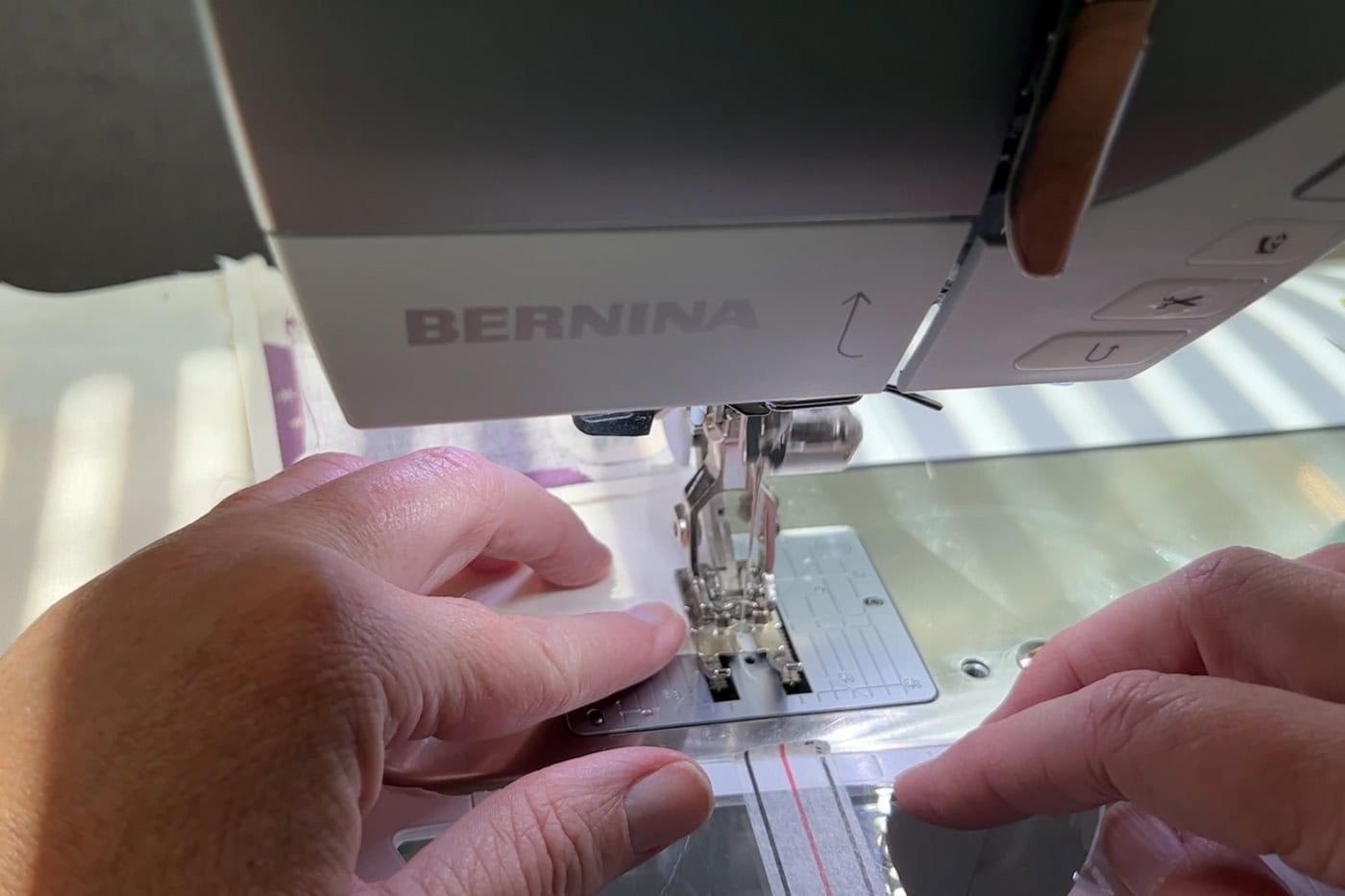
With this 3rd photo, you can kind of see where I’ve angled the end of the seam. I honestly didn’t notice this until I started filming myself for YouTube videos. I noticed I’d get a bit “ahead” of myself and begin angling the fabric away from the presser foot too soon.
Now I make sure to stitch the ENITRE seam before I begin to move the fabric out of the way.
Five: Slowed Down & Took More Breaks
Since quilting is my job, I tend to want to do things quickly. I feel like I’m always a few steps behind and constantly working on a crazy deadline. Sometimes I sew too fast and don’t take breaks frequently enough.
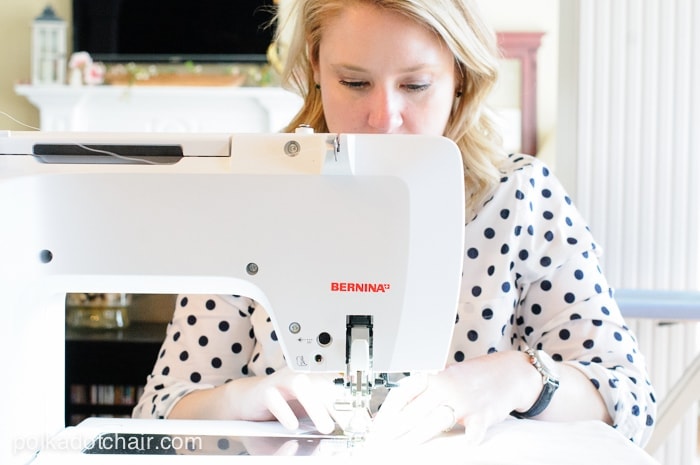
Slowing down while quilting gives you more control over your fabric and stitching, which leads to greater accuracy. It helps prevent shifting, crooked seams, and uneven stitches, especially when piecing small or intricate blocks. A steady pace allows you to focus on alignment and seam allowance, reducing mistakes and the need for ripping out stitches.
I’ve also noticed that I get “sloppy” when I’m tired or nearing the end of the project. Now I try harder to recognize when it’s time to take a break. Stopping when I’m too tired, I’ve realized, actually saves time as it prevents me from redoing mistakes that I make when I’m “sew” tired.
What about you? I’d love to hear some of the things you’ve done to improve your quilt piecing accuracy!
I agree, slowing down has made a big difference for me. I make fewer mistakes and enjoy the process more.