
Sewing Lesson: Five Must Have Sewing Machine Feet
Did you recently get a new Sewing Machine? Did you notice that it came with a bunch of Sewing Machine feet? Are you stumped as to what to do with them all?
Whether you are new to sewing or have been doing it for years, here are 5 Sewing Machine feet that I reach for over and over again!
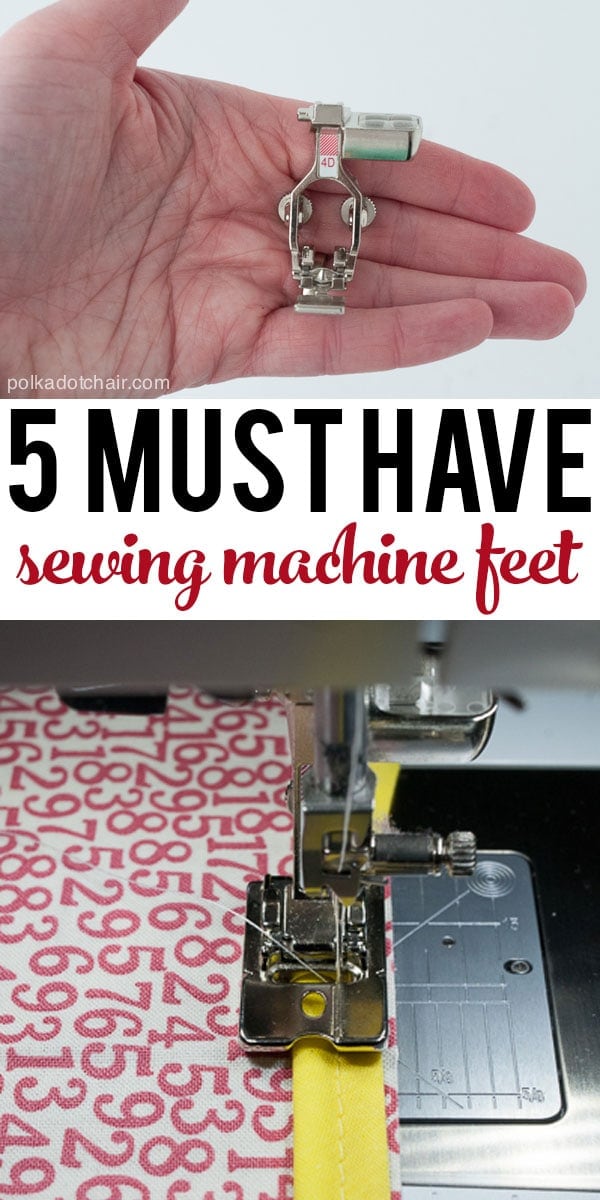
When I got my first sewing machine I remember unwrapping all of the parts with excitement and anticipation. My 1st machine came with a bunch of sewing machine feet and to be honest I wasn’t sure what any of them were for, or when I was supposed to use them.
Over the years, I’ve figured out a lot. I’ve even purchased some additional feet. I’ve noticed that there are certain feet that I reach for over and over again.
Keep reading below to find out which 5 feet I think are essential to achieving a well-made finished sewing project.
One quick note: I have a BERNINA Sewing Machine, and you will see BERNINA feet pictured below. Check with your sewing machine instruction manual and manufacturer to make sure you’re buying the correct foot for your specific machine.
1. Walking Foot
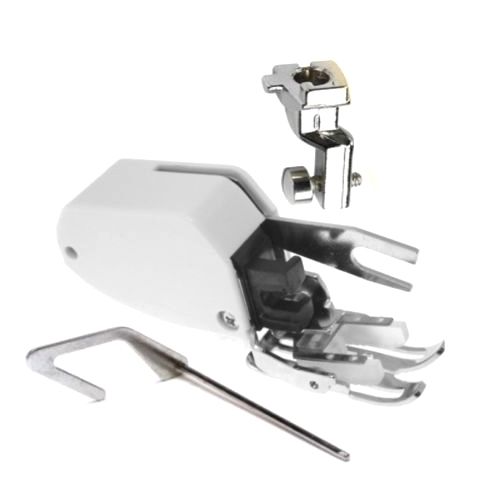
Walking feet are commonly used for quilting, however, I find that they come in handy for a variety of sewing projects. I love to use them anytime I’m sewing several layers of fabric together, especially fabrics that are of different weights. They are especially helpful when constructing handbags!
2. Zipper Foot
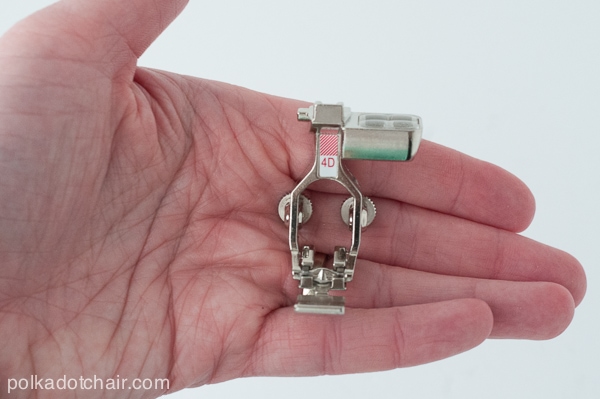
If you’re going to sew anything that involves a zipper you’ll want to make sure you have a zipper foot. Each manufacturer has a different way of designing the foot, but they essentially all do the same thing.
Which is, allows you to hold a skinny zipper in place under your foot while it’s sewn into the fabric. The standard foot that came with your machine is too wide and won’t hold the zipper in place properly while you sew.
3. Cording Foot
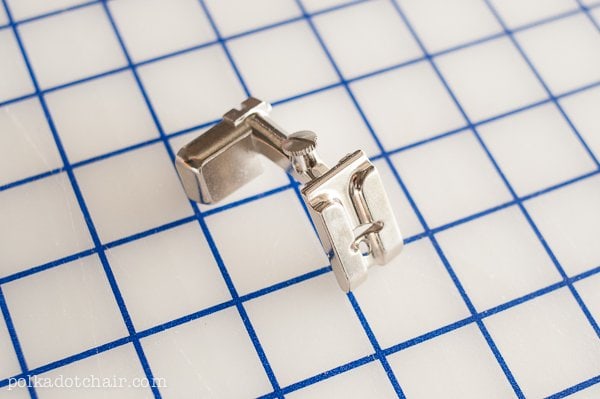
I love adding piping and cording to my projects. It’s the extra little touch that gives your finished project a professional look. Contrary to what you might think, stitching cording is simple you just need the correct foot on your machine.
A cording/piping foot has a groove underneath which allows you to feed the piping evenly under the foot while stitching right next to the cord for perfect placement every time.
4. Teflon Foot
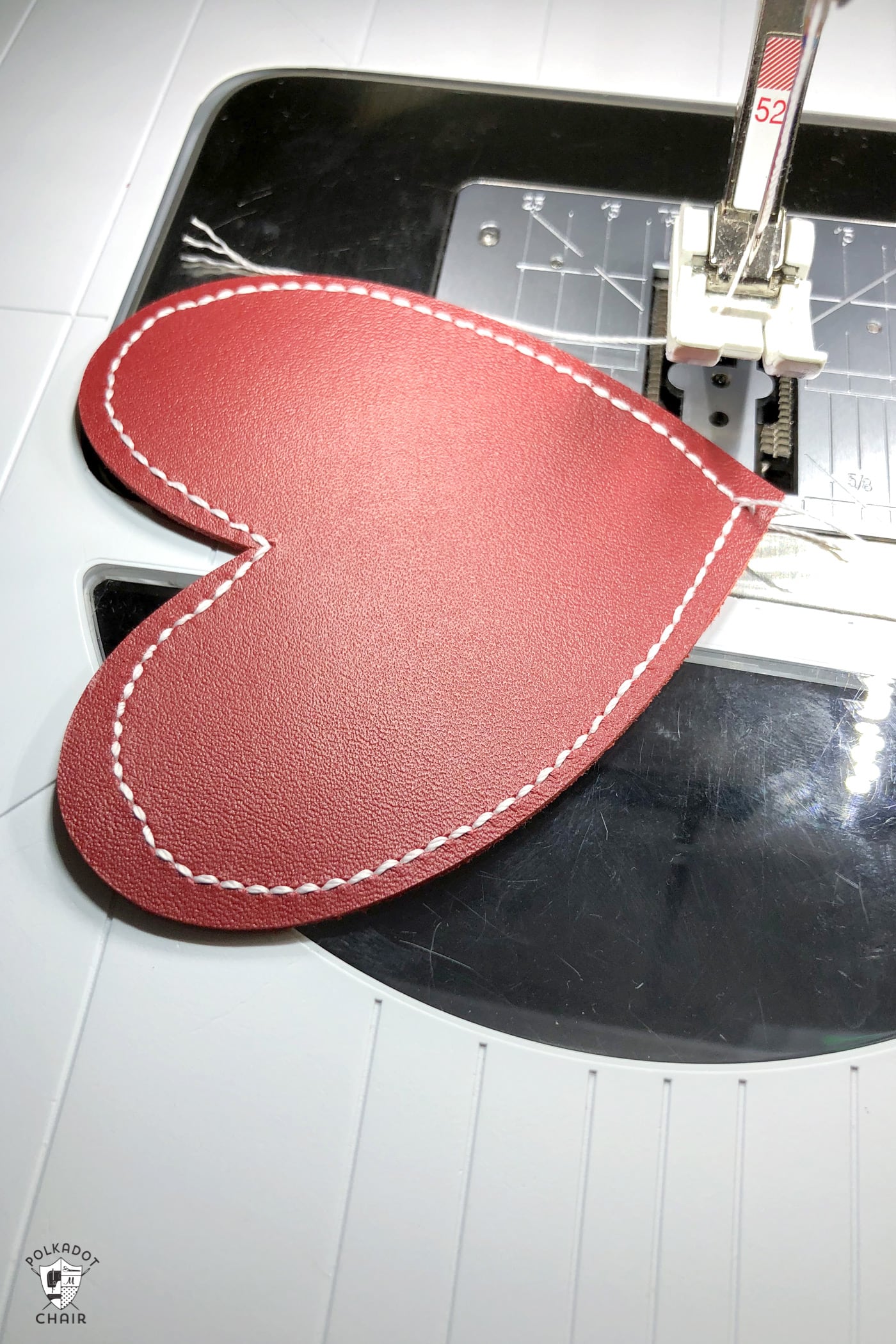
If you plan to sew with any type of coated fabric (leather, oilcloth, laminate, or vinyl), you NEED a Teflon foot. This foot is specially coated to allow the fabric to pass smoothly under the foot. It will save you HOURS of frustration.
5. Quarter Inch Quilt Piecing Foot
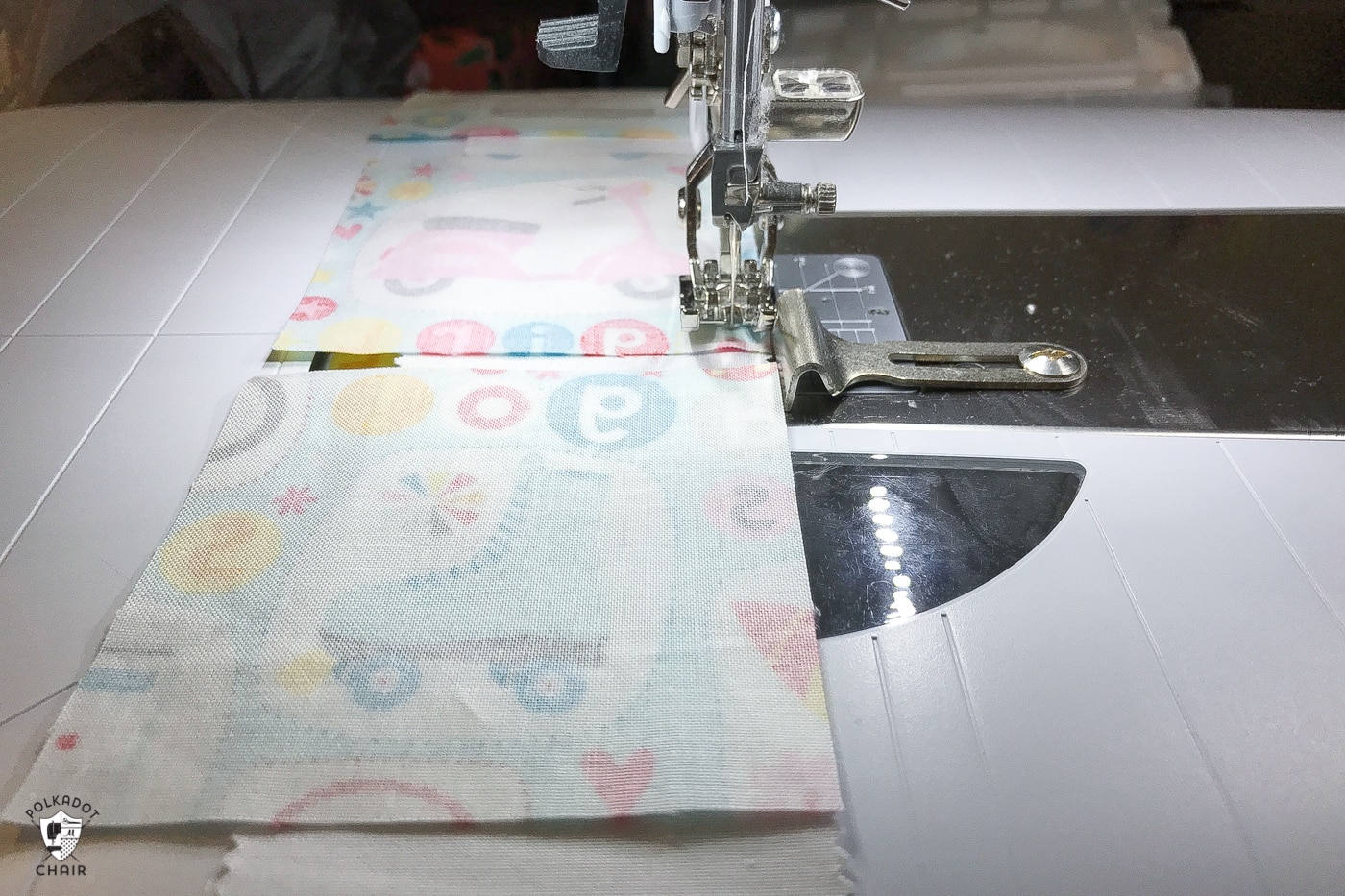
If you do any type of quilting, then you know that it is imperative that you achieve a perfect 1/4″ seam while constructing your quilts. If your seams are off then the quilt will not fit together correctly (think of it as a giant puzzle). This foot features a guide ensuring you get a perfect 1/4″ seam every time.
Tell me, what did I miss? Share in the comments section.
They are all great – for me the most used are Bernina 97D (quarter inch), 4D (zipper) and 20D (appliqué). I use these 3 all the time, they live right next to my machine. I think the cording foot is 97C – will need to add that to my collection.
I wish you gave the # for the Cording Foot and the Quarter Inch.
Quarter inch is 97D and the Cording is 12C I think.
“Nothing runs like a Bernina!” Having said that, I do use all the ones you highlight, but I also use my “zig-zag” feet, one is open toe and one is just the regular old stitching foot with a wider needle opening. Thank you for all the education this week!!! C2
One other essential is an open toe foot which allows you to see exactly where your needle is landing. Stitch i. The ditch, machine appliqué, half square triangles and anytime you need to follow a line.
My favorite is the Satin Stitch Presser Foot Transparent Buttonhole Foot. It’s open in front but the best part is I can see where the stitching is going. I don’t even use my 1/4 inch foot anymore because I can see the seam. Someone told me to try this translucent foot a couple of years ago and what a difference it has made. I can’t stand using all metal, non-translucent feet anymore.
As for zipper feet the super skinny zipper foot is my goto. The one that came with my machine should be melted down for as much good as it can’t do, lol.
What about if you’re making a quilt and want the walking foot to feed the fabric smoothly, but also need the precise 1/4″ seams?
Pretty new to all of this.
Thanks!
Hi,
You don’t need a walking foot for the portion of the quilt making process where you sew the fabric together. You can use a standard machine foot for that – you do want to use a walking foot when you sew the two layers of fabric and the batting together. The addition of the batting is what makes the walking foot necessary.
I’ve always loved my ruffling foot. Especially raising young girls I was able to make them so many ruffled shorts, tops, skirts with ease .. and ruffled kitchen curtains, tablecloth, pillows.